The insulated tumbler market hit $1.2 billion in the US alone in 2025, driven by the Stanley Quencher craze, Owala's viral FreeSip design, and a massive shift toward reusable drinkware. If you have been thinking about starting your own tumbler brand, the timing has never been better — and the barrier to entry has never been lower.
This guide walks you through every step: finding your niche, sourcing from a factory in China, building your brand, and getting your first sales. We have helped over 200 small brands launch successfully from our factory in Yongkang, and we are sharing the exact playbook they followed.
Step 1: Pick Your Niche and Target Customer
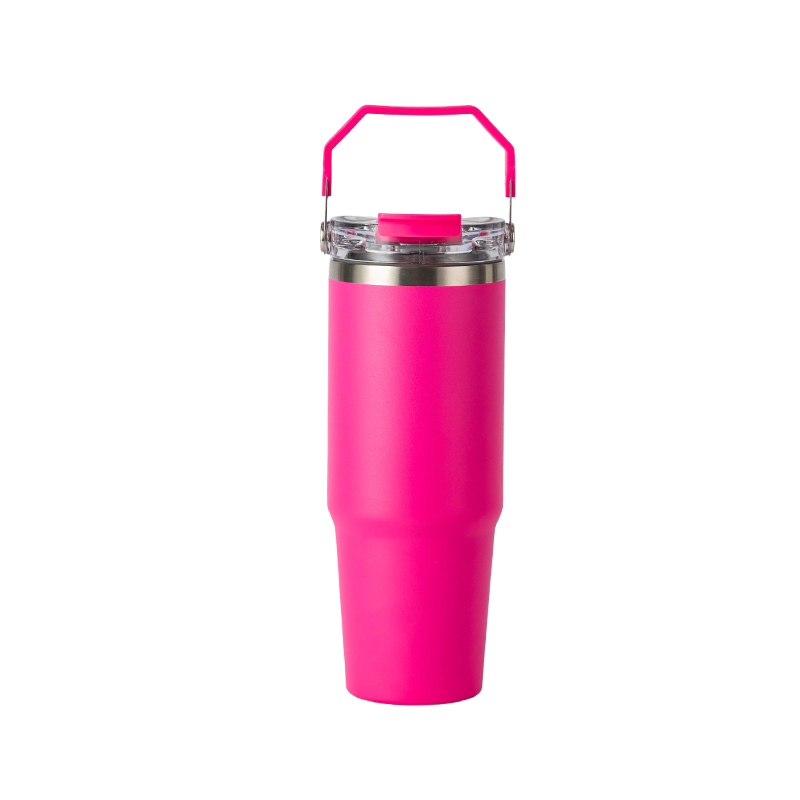
The tumbler market is large, but the brands that succeed are the ones that own a specific niche. "Tumblers for everyone" is not a brand — it is a commodity. The most successful brands we have worked with target one of these segments:
Lifestyle and aesthetic brands sell tumblers as fashion accessories. Think pastel colors, gradient finishes, matching accessories. Target audience: women 18-35 who want their tumbler to match their outfit. Price point: $25-$45 retail. This segment grows fastest on TikTok and Instagram.
Outdoor and adventure brands focus on durability and performance. Rugged powder coating, carabiner attachments, wide-mouth lids for ice. Target audience: hikers, campers, and fitness enthusiasts. Price point: $30-$50 retail. Best sold through Amazon and outdoor retailer partnerships.
Corporate and promotional brands supply branded tumblers for companies, events, and trade shows. High volume, lower margin, repeat orders. Target audience: marketing departments, event planners, HR teams. Price point: $8-$15 wholesale. Sold through direct outreach and B2B platforms.
Kids and family brands require 316 stainless steel, BPA-free materials, and leak-proof designs. Target audience: parents of children 3-12. Price point: $18-$30 retail. Requires additional safety certifications (CPSIA in the US). Read our 316 stainless steel kids bottle guide →
Step 2: Source Your Product from a Manufacturer
Over 70% of the world's insulated drinkware is manufactured in Yongkang, Zhejiang Province, China. This includes tumblers sold under major brands like Stanley, Hydro Flask, and RTIC. Sourcing directly from a Yongkang factory gives you access to the same manufacturing capabilities at a fraction of the cost.
Here is what to look for in a manufacturer:
Material transparency. The factory should specify exactly what grade of stainless steel they use (304 or 316) and provide SGS or TUV test certificates. Avoid factories that say "stainless steel" without specifying the grade — they may be using cheaper 201 steel, which contains more nickel and is less corrosion-resistant. See our 304 vs 316 comparison guide →
Low MOQ for new brands. A good factory will offer MOQs of 100-500 pieces for standard models with logo printing. This allows you to test designs and colorways without committing $10,000+ upfront. At Hongming, our MOQ is 100 pieces per design for laser engraving and 500 pieces for full UV printing.
Sample quality. Always order samples before committing to a bulk order. Test the vacuum insulation (fill with ice water, check after 12 and 24 hours), check the lid seal (turn it upside down — it should not leak), and inspect the finish quality (no rough edges, even powder coating, clean engraving).
Step 3: Design Your Brand Identity
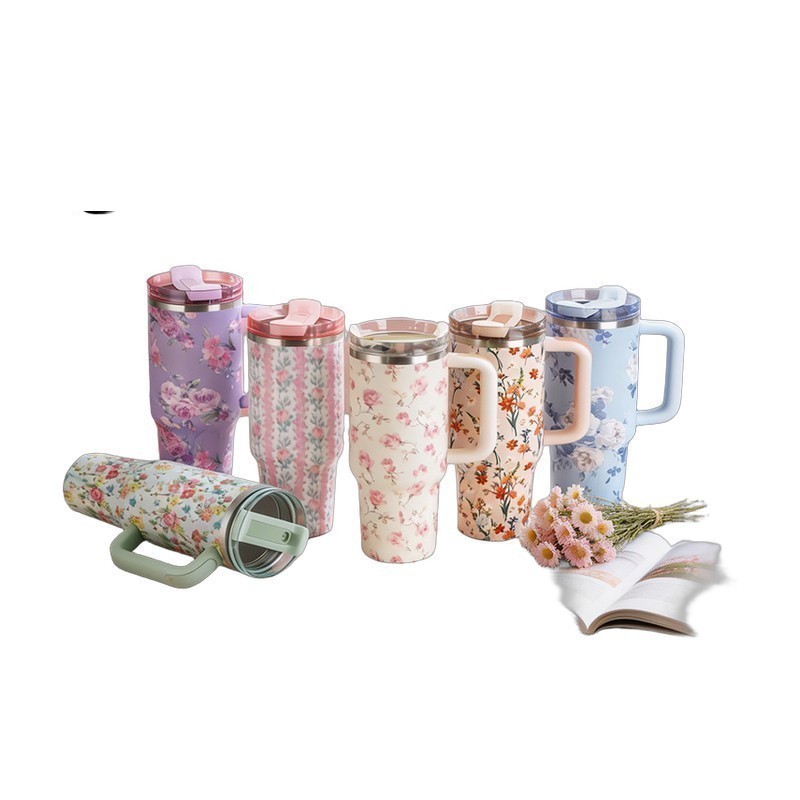
Your tumbler is a physical product that people carry in public every day. Your brand identity needs to work at arm's length. Here is the minimum brand kit you need before production:
Logo. Keep it simple. The best tumbler logos are clean wordmarks or simple icons that engrave or print well at small sizes. Test your logo at 20mm wide — if it is not recognizable, simplify it.
Color palette. Choose 3-5 signature colors for your launch collection. Look at trending colors on Pantone's annual forecast and check what is selling on Amazon's tumbler category. In 2026, soft sage green, dusty rose, ocean blue, and matte black are top performers.
Packaging. Your packaging is the first physical touchpoint. For DTC (direct-to-consumer) brands, a custom color box with your logo creates an unboxing experience. For wholesale/B2B, a simple poly bag with a branded hang tag keeps costs low. See our custom branding options →
Step 4: Calculate Your Pricing and Margins
Here is a realistic cost breakdown for a 30oz insulated tumbler ordered from a Chinese manufacturer:
Product cost (FOB China): $3.50-$6.00 per unit depending on material grade (304 vs 316), finish (powder coat, UV print), and quantity. A 500-piece order of a 30oz powder-coated tumbler with laser-engraved logo typically costs around $4.50-$5.00 per unit.
Shipping: Sea freight to the US runs approximately $0.80-$1.50 per tumbler (based on a 500-piece order). Express air freight (DHL/FedEx) costs $3-$5 per unit but delivers in 5-7 days instead of 30-40.
Landed cost: $5.00-$7.50 per tumbler including product, shipping, and import duties (US duty on stainless steel drinkware is typically 0-3.4%).
Retail pricing: Most DTC tumbler brands price at 4-6x their landed cost. A tumbler that costs you $6 landed can retail for $28-$36. Amazon sellers typically price at 3-4x due to FBA fees and advertising costs.
What We See Go Wrong: Insider Notes from 17 Years on the Factory Floor
After manufacturing tumblers since 2009 and working with hundreds of first-time brand founders, here are the patterns we see that separate brands that succeed from those that burn through cash and quit:
The lid is where 60% of customer complaints originate. New brands obsess over body color and logo placement but treat the lid as an afterthought. In our defect tracking data, lid-related issues — leaking seals, straws that pop out, flip-tops that crack after 2 months — account for the majority of warranty claims across all brands we produce for. We test every lid design to 15,000 open-close cycles before approving it. Ask your manufacturer how many cycles they test. If they do not have a number, they are not testing.
The vacuum seal is invisible but everything. A tumbler looks identical whether the vacuum is perfect or has a micro-leak. The difference only shows up 6 hours later when the drink is lukewarm. We vacuum-seal at 650°C in a brazing furnace (not a cheaper induction method) and individually test every single unit with a vacuum decay meter. Some factories sample-test — meaning 1 in 50 gets checked. The other 49 are a gamble. Our rejection rate at the vacuum stage is 2-3%, which means we catch and discard 10,000-15,000 defective units per month rather than shipping them.
Colors that look great on a screen may not survive daily use. A gradient sunset finish looks stunning in a product photo, but if the powder coating is too thin (under 60 microns), it chips within weeks of normal use. We coat at 80-100 microns and cure at 200°C for 15 minutes — thicker and longer than the industry minimum. This is why our powder coat carries a 2-year no-chip guarantee. The cost difference is about $0.15 per tumbler. It is the most worthwhile $0.15 in the entire BOM.
Your first order should include at least 3 colorways. We track reorder patterns across all our brand clients. Brands that launch with 1-2 colors reorder at a 40% rate within 6 months. Brands that launch with 3-5 colors reorder at 72%. More SKUs means more shelf appeal, more gift options, and more reasons for a customer to buy a second one. The incremental cost of adding a color is just the powder coat setup ($30-$50 per color) — the tumbler body is identical.
Step 5: Set Up Your Sales Channels
The most successful tumbler brands sell through multiple channels. Here is where to start:
Your own website (Shopify or WooCommerce) gives you the highest margins (no marketplace fees) and full control over branding. Drive traffic through Instagram, TikTok, and Google SEO. Expect 20-40% profit margins after advertising costs.
Amazon FBA gives you access to millions of active shoppers and handles fulfillment. We can ship directly to Amazon FBA warehouses. Expect 15-25% margins after FBA fees and PPC advertising. The key is optimizing your listing with strong photography and keyword-rich titles.
Wholesale to retailers provides volume and credibility. Approach local boutiques, gift shops, outdoor stores, and campus bookstores. Wholesale pricing is typically 50% off retail. A $30 retail tumbler wholesales at $15, with your cost at $5-$7 — that is still a solid margin at volume.
Corporate and promotional orders are high-volume, low-effort repeat business. Once you land a corporate client, they tend to reorder quarterly for new hires, events, and holiday gifts. Price at $10-$15 per unit for orders of 200+.
Step 6: Quality Control and Shipping
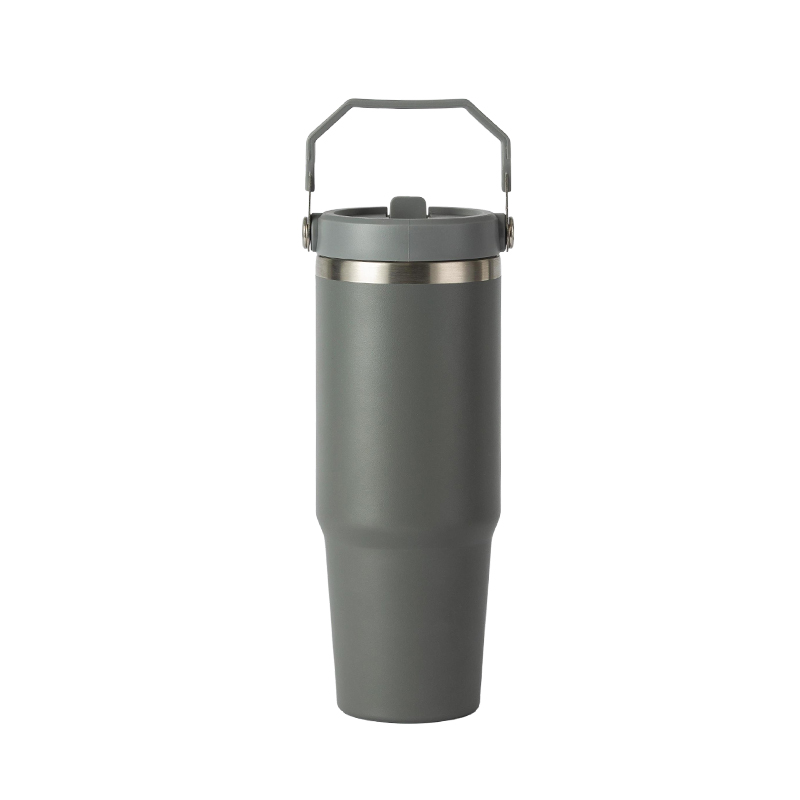
Before your factory ships, make sure you have a quality control process in place:
Pre-production sample (PPS): Approve a final production sample with your exact logo, color, and packaging before the factory starts the bulk run. At Hongming, we send PPS photos and videos for approval via WhatsApp or email before proceeding.
In-line inspection: For orders above 1,000 pieces, consider a third-party inspection (companies like SGS, Bureau Veritas, or QIMA) when production is 80% complete. Cost: $200-$350 per inspection. This catches defects before they reach your warehouse.
Shipping terms: Most tumbler orders ship FOB (Free on Board) Ningbo Port, which is the closest major port to Yongkang. Your freight forwarder handles ocean shipping, customs clearance, and last-mile delivery. For first orders, we recommend working with a freight forwarder who specializes in consumer goods from China.
Ready to take the first step? Contact Hongming — we have helped launch over 200 tumbler brands and we will walk you through samples, pricing, and production timelines.