
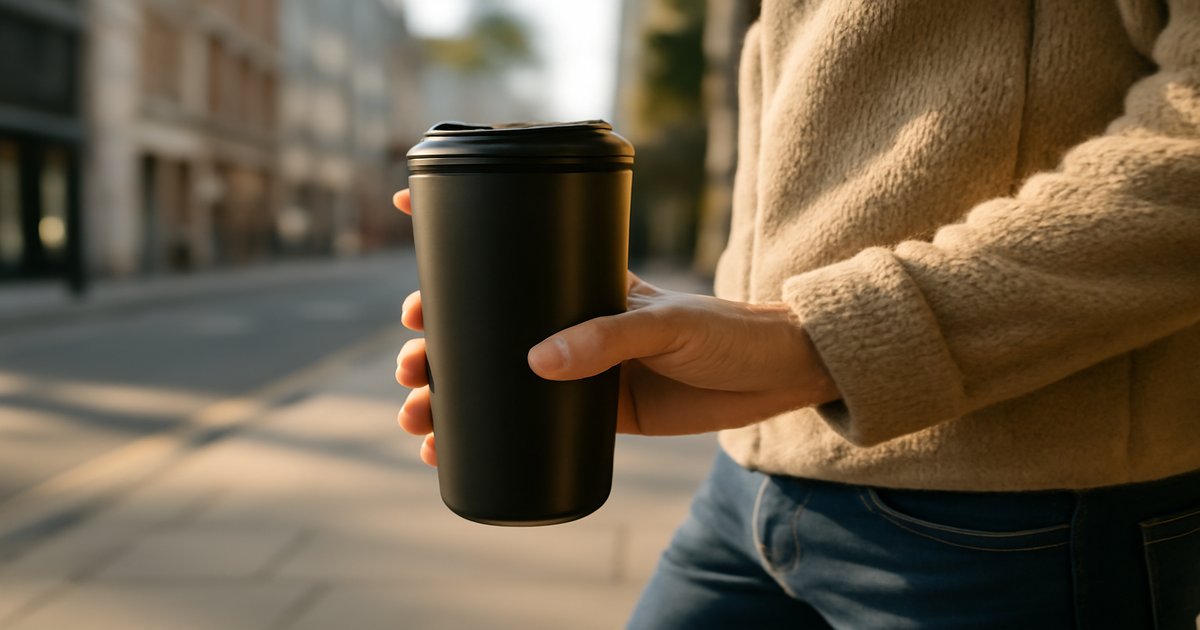
The reusable coffee cup market is experiencing accelerating growth driven by environmental legislation, consumer sustainability awareness, and coffee shop incentive programs. Single-use cup bans are spreading across major cities and countries, creating a structural demand shift that benefits reusable cup manufacturers and distributors. For wholesale buyers, this is a category with strong secular tailwinds and excellent margin potential.
The Market Opportunity
Several converging trends make reusable coffee cups one of the most attractive wholesale categories in the drinkware space:
Legislation is creating mandatory demand. The EU's Single-Use Plastics Directive, the UK's proposed latte levy, and city-level bans in San Francisco, Seattle, Washington DC, and others are making disposable cups more expensive or illegal. This converts consumer choice into consumer necessity — people must buy reusable cups.
Coffee chains are incentivizing the switch. Starbucks, Peet's, Blue Bottle, and hundreds of independent cafes offer discounts for reusable cups. Some chains are piloting programs where customers borrow and return reusable cups. This infrastructure makes reusable cups more convenient and visible.
Sustainability is becoming a purchase driver. Studies show that over 60% of consumers under 40 consider environmental impact when making purchasing decisions. A reusable coffee cup is one of the most visible, low-cost ways for consumers to signal environmental responsibility.
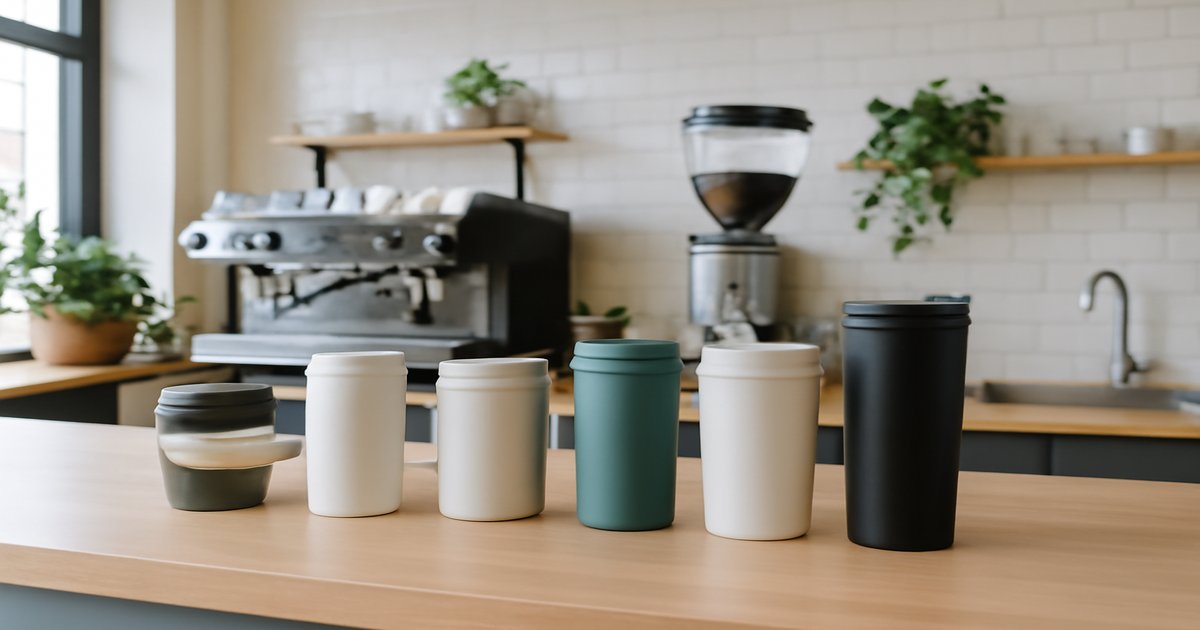
Reusable Coffee Cup Materials Compared
Insulated stainless steel is the performance leader. Double-wall vacuum insulation keeps coffee hot for 4-6 hours — dramatically better than any other material. It is virtually indestructible, easy to clean, and last 5-10 years with daily use. The premium price point ($18-35 retail) delivers strong margins for sellers. This is our recommended material for wholesale buyers targeting quality-conscious consumers.
Ceramic with silicone lid provides the closest experience to drinking from a traditional coffee mug. The ceramic interior does not affect coffee flavor, and the silicone lid provides basic splash protection. However, it offers no insulation, is heavier than stainless steel, and is breakable. Popular for in-office use and as a gift item.
Glass with silicone sleeve offers a clean, transparent aesthetic that appeals to design-conscious consumers. The silicone sleeve provides grip and heat protection. Like ceramic, glass offers no insulation and is fragile. It performs well in premium gift markets and eco-conscious retail.
Bamboo fiber: While marketed as eco-friendly, many bamboo fiber cups contain melamine-formaldehyde resin that can leach chemicals at high temperatures. Several EU countries have banned these products. We do not recommend bamboo fiber cups for wholesale unless you can verify the product is 100% free of melamine and formaldehyde.
Best Sizes for Reusable Coffee Cups
Size should match the standard coffee shop serving sizes in your target market:
8oz (237ml): Matches a standard espresso-based drink (cappuccino, flat white). Popular in European and Australian markets where smaller, stronger coffee is the norm. Less common in the US market.
12oz (354ml): Matches a "tall" or "small" at most coffee chains. The most universally compatible size — it fits under all single-serve coffee machines, is comfortable to hold, and is accepted at virtually every coffee shop. Our recommended starting size for wholesale.
16oz (473ml): Matches a "grande" or "medium." The sweet spot for American consumers who prefer larger coffee servings. This is the most popular reusable coffee cup size in the US market by volume.
20oz (591ml): Matches a "venti" or "large." For consumers who want the maximum coffee shop serving in a reusable format. This size begins to feel bulky for one-handed carry without a handle.
Customization for Wholesale Reusable Coffee Cups
Reusable coffee cups are excellent candidates for branding. Coffee chains, corporate programs, universities, and promotional product companies all use branded reusable cups. The key printing considerations:
Cafe and coffee shop branding: Laser engraving is the top choice — it creates a permanent, elegant mark that elevates the perceived value. Many cafes sell branded reusable cups as merchandise alongside their coffee, creating an additional revenue stream.
Corporate sustainability programs: Companies are replacing disposable cups in their offices with branded reusable cups. UV printing allows full-color logos and messaging about the company's sustainability commitment.
Event and promotional: Music festivals, conferences, and sporting events are increasingly replacing disposable cups with event-branded reusable cups. Attendees keep them as souvenirs, extending brand visibility far beyond the event.
Source Reusable Coffee Cups from Hongming
Our factory produces insulated stainless steel coffee cups from 8oz to 20oz with slide lids, flip lids, and screw-on lids. Every cup is tested for insulation performance, leak resistance, and food safety compliance (FDA, LFGB, BPA-free).
Request reusable coffee cup pricing — tell us your preferred size, quantity, and branding needs, and we will provide a detailed quote with samples within 24 hours.
Related Guides
- How to Clean Stainless Steel Tumblers — keep reusable cups fresh and odor-free
- Stainless Steel vs Ceramic vs Glass Tumbler — which material is best for coffee?
- Custom Branded Tumblers OEM Guide — launch your coffee cup brand with full OEM support