
A stainless steel water bottle is one of the most durable drinkware investments you can make — but only if you clean it properly. A neglected bottle becomes a breeding ground for bacteria and mold, and improper cleaning can damage the vacuum insulation, scratch the interior, or ruin the powder coating.
As manufacturers who have produced millions of stainless steel bottles and tumblers, the Hongming team knows exactly what works and what does not. This guide covers daily care, deep cleaning, stain removal, and the common mistakes that shorten your bottle's lifespan.
Daily Cleaning: The 60-Second Routine
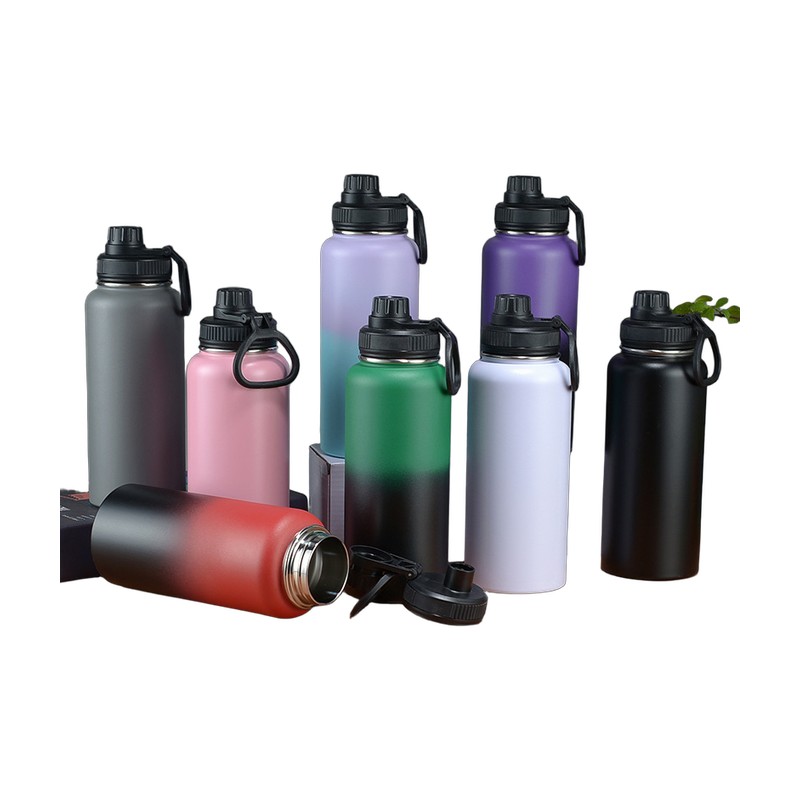
Do this every day after use, or at minimum after any drink other than plain water:
- Empty and rinse — Pour out remaining liquid and rinse with warm water (not boiling).
- Add soap — Put 2-3 drops of dish soap and fill halfway with warm water.
- Scrub — Use a bottle brush (non-abrasive nylon bristles) to scrub the interior, bottom, and inside the rim. Pay special attention to the bottom where sediment collects.
- Clean the lid — Rinse the lid under running water. If it has a straw, pull the straw out and rinse it separately.
- Rinse and dry — Rinse all soap thoroughly. Place upside down on a drying rack or clean towel. Do not seal the lid on a wet bottle — this traps moisture and causes odor.
Pro tip: Store your bottle with the lid off between uses. This allows air circulation and prevents the damp, closed environment that bacteria love.
Deep Cleaning: Weekly Maintenance
Even with daily rinsing, mineral deposits, tannins (from coffee/tea), and bacterial biofilm gradually build up. A weekly deep clean takes care of all three:
Method 1: Baking Soda + Vinegar (Most Effective)
- Add 2 tablespoons of baking soda to the bottle.
- Fill with hot water (not boiling — 60-70°C is ideal). Let it sit for 15 minutes.
- Add 2 tablespoons of white vinegar. It will fizz vigorously — this is the reaction between acetic acid and sodium bicarbonate producing CO₂, which physically lifts deposits off the surface.
- Scrub with a bottle brush while still fizzing.
- Rinse thoroughly with clean water 2-3 times.
Method 2: Denture Cleaning Tablets (Easiest)
- Drop one denture cleaning tablet (Polident, Efferdent, or generic) into the bottle.
- Fill with warm water. The tablet dissolves and fizzes for 10-15 minutes.
- Soak for 30 minutes (or overnight for stubborn stains).
- Scrub lightly and rinse.
Denture tablets contain sodium bicarbonate, citric acid, and oxidizing agents — all safe for stainless steel and extremely effective at removing tannin stains and biofilm.
Method 3: Bottle Cleaning Tablets (Commercial)
Brands like Bottle Bright, YETI cleaning tablets, or Stanley cleaning tablets are essentially the same formula as denture tablets but marketed for drinkware. They work identically. Use whichever is more cost-effective — denture tablets are usually cheaper.
Removing Specific Stains and Odors
| Problem | Cause | Solution | Prevention |
|---|---|---|---|
| Brown/tan stains | Coffee/tea tannins | Baking soda paste + scrub, or denture tablet soak | Rinse immediately after coffee, don't let it sit overnight |
| White spots/film | Hard water mineral deposits | Fill with undiluted white vinegar, soak 30 min | Use filtered water; dry completely after washing |
| Musty/sour smell | Bacterial growth in lid gaskets | Disassemble lid, soak all parts in 1:1 vinegar-water 30 min | Weekly lid disassembly; store with lid off |
| Black spots (mold) | Mold in straw or gasket | Replace gasket; clean straw with pipe cleaner + vinegar | Dry all components completely; replace gaskets every 6 months |
| Metallic taste | New bottle outgassing | Fill with baking soda + hot water overnight, rinse 3x | Normal for new bottles; disappears after 2-3 uses |
What NOT to Use on Stainless Steel Bottles
These common household items will damage your bottle:
- Chlorine bleach (sodium hypochlorite) — Causes pitting corrosion on stainless steel, especially at weld joints. Can compromise vacuum seal integrity.
- Steel wool or metal scrubbers — Scratches the electropolished interior surface, creating micro-grooves where bacteria can hide. Use nylon brushes only.
- Abrasive powders (Ajax, Comet) — Same scratch issue as steel wool. These are designed for porcelain, not stainless steel.
- Dishwasher (for vacuum insulated bottles) — The 70-75°C drying cycle can weaken the vacuum weld seal over repeated cycles. Hand wash only for insulated products.
- Essential oils — Some essential oils (citrus, tea tree) can degrade silicone gaskets. If you use flavored water with oils, replace gaskets more frequently.
Lid and Straw Cleaning: The Most Neglected Part

The bottle interior is easy to clean. The lid is where 90% of hygiene problems originate. Lids have silicone gaskets, straw channels, sliding mechanisms, and tiny crevices where moisture and bacteria accumulate.
Weekly Lid Maintenance
- Fully disassemble — Remove all silicone gaskets, straws, and removable parts. Most lids have 3-5 separate components.
- Soak in vinegar solution — 1:1 white vinegar and warm water for 30 minutes.
- Scrub crevices — Use a thin pipe cleaner or interdental brush for straw channels and gasket grooves.
- Rinse and air dry — Lay all parts on a clean towel. Ensure everything is bone dry before reassembly.
When to Replace Lid Components
- Silicone gaskets: Every 6-12 months, or immediately if they show discoloration, cracks, or persistent odor after cleaning.
- Straw tips: Every 3-6 months if bitten/chewed, or when they lose flexibility.
- Slide mechanisms: Replace if they no longer seal properly (you feel air when tilting the tumbler).
At Hongming, we sell replacement lid kits for all our tumbler models. Contact us if you need replacement parts for your Hongming tumblers.
Cleaning Tips Specifically for Powder Coated Tumblers
Powder coated tumblers require slightly different care than bare stainless steel:
- Do — Wash with soft sponge and mild dish soap. The powder coating is durable but will scratch with abrasive pads.
- Do — Dry immediately to prevent water spots on matte finishes.
- Do not — Use Magic Eraser (melamine foam) on powder coating — it acts as a fine abrasive and will dull the finish.
- Do not — Soak in vinegar for extended periods — vinegar can etch matte powder coating if left for more than 1 hour.
- Do not — Put powder coated tumblers in the dishwasher — detergent chemicals and heat degrade the coating.
Why Proper Cleaning Extends Your Tumbler's Life
A well-maintained stainless steel tumbler should last 5-10 years. Most premature failures are caused by cleaning mistakes: bleach corroding weld seals (vacuum loss), dishwasher heat degrading gaskets (leaks), or abrasive scrubbing creating bacterial harbors (odor).
Invest 60 seconds per day in proper cleaning, and your tumbler will outlast any plastic or glass alternative by years.
Related guides: Cleaning Stainless Steel Bottles | Tumbler Lid Types Guide | Glass vs Stainless vs Ceramic