
The wholesale drinkware market is undergoing a fundamental shift. Stainless steel tumblers are replacing plastic cups and bottles across every market segment — from DTC lifestyle brands to corporate promotional products to kids drinkware. This is not a trend. It is a structural change driven by three converging forces: consumer health concerns about plastic, demand for insulation performance, and the premiumization of everyday carry items.
As a manufacturer producing both stainless steel and (formerly) plastic drinkware, we have witnessed this shift firsthand. Five years ago, 60% of our orders were plastic. Today, over 95% of our production is stainless steel. We phased out plastic drinkware manufacturing entirely in 2025. This guide explains why — and why it matters for your wholesale purchasing decisions.
Head-to-Head: Stainless Steel vs Plastic Tumblers
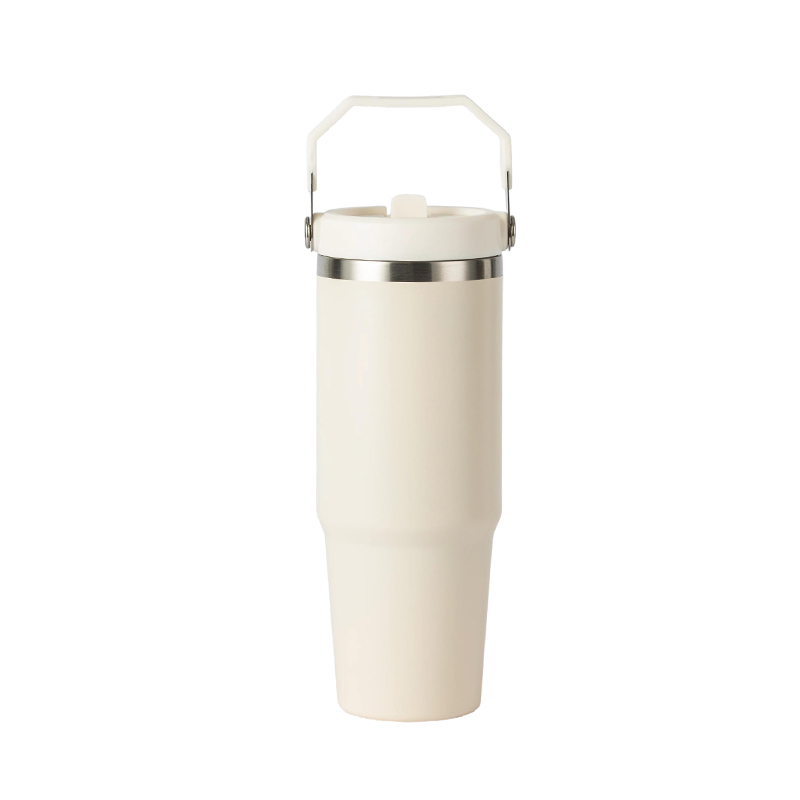
| Feature | Stainless Steel Tumbler | Plastic Tumbler |
|---|---|---|
| Cold Retention | 24+ hours (vacuum insulated) | 1-2 hours (no insulation) |
| Hot Retention | 8-12 hours | 30-60 minutes |
| Durability | 5-10 years daily use | 6-12 months before degradation |
| Chemical Safety | Zero leaching, no microplastics | Microplastic shedding, potential chemical leaching |
| Taste Neutrality | No flavor transfer | Can absorb and transfer flavors |
| Wholesale Cost (30oz) | $3.80-$5.00 | $0.80-$2.00 |
| Retail Price (30oz) | $25-$45 | $8-$15 |
| Gross Margin | 60-75% | 40-55% |
| Perceived Value | Premium, gift-worthy | Basic, disposable-feeling |
| Sustainability | 100% recyclable, long lifespan | Limited recyclability, short lifespan |
| Branding Options | Laser engraving, powder coat, UV print | Pad print, screen print, in-mold label |
The Business Case: Why Higher Cost Means Better Margins
The most common objection from wholesale buyers considering the switch from plastic to stainless steel is cost. A 30oz stainless steel tumbler costs 3-4x more than a plastic equivalent at wholesale. But this analysis misses the bigger picture.
Here is the math for a typical DTC brand selling 1,000 units per month:
| Metric | Plastic (30oz) | Stainless Steel (30oz) |
|---|---|---|
| Wholesale cost | $1.50/pc | $4.20/pc |
| Shipping + landed | $0.30/pc | $0.50/pc |
| Total COGS | $1.80/pc | $4.70/pc |
| Retail price | $12.99 | $34.99 |
| Gross profit per unit | $11.19 | $30.29 |
| Gross margin | 86% | 87% |
| Monthly gross (1,000 units) | $11,190 | $30,290 |
The stainless steel product generates 2.7x more gross profit per unit at nearly identical margin percentages. The higher retail price is not a barrier — consumers expect to pay $25-$45 for insulated stainless steel because they understand the value proposition (keeps drinks cold all day, lasts for years, looks premium). The same consumer would not pay $25 for a plastic cup.
Consumer Trends Driving the Shift
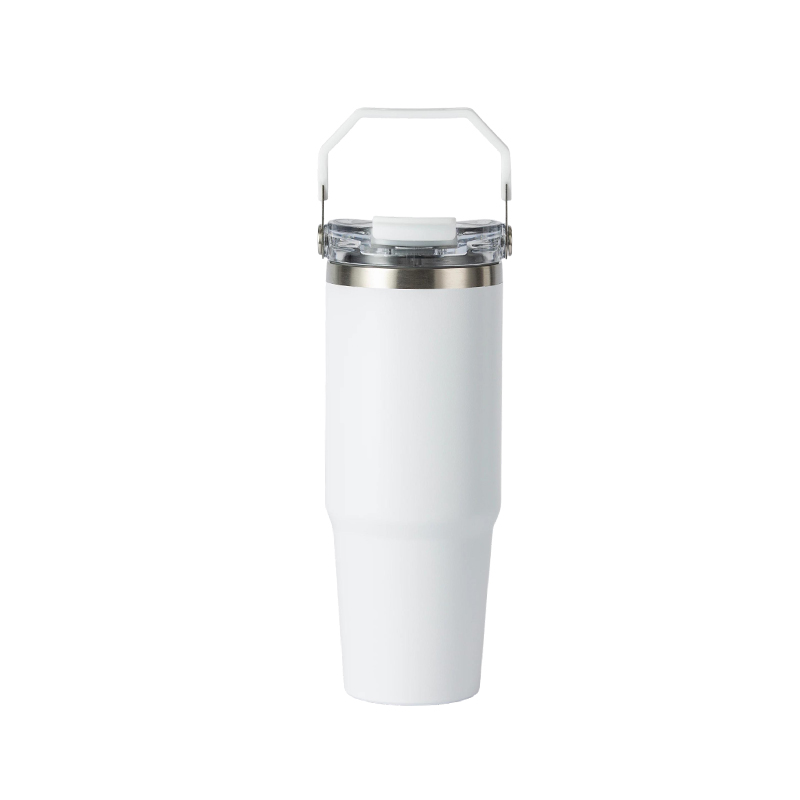
Three macro trends are accelerating the plastic-to-steel transition:
1. Health and Safety Concerns
Microplastic awareness has exploded. Studies published in 2024-2025 found microplastic particles in human blood, placements, and brain tissue — with drinking vessels identified as a significant exposure source. Parents are particularly motivated to switch their children to stainless steel, driving our kids water bottle sales up 30% year-over-year.
2. The Premiumization of Everyday Carry
Tumblers have become fashion accessories and lifestyle statements, not just functional containers. The Stanley Quencher and Owala phenomena proved that consumers will pay $35-$55 for a tumbler that looks good, performs well, and signals their identity. Plastic cannot compete in this space — it simply does not convey premium.
3. Sustainability and Regulation
Single-use plastic bans are spreading globally. The EU, Canada, Australia, and multiple US states and cities have enacted or proposed restrictions on single-use plastic drinkware. Reusable stainless steel tumblers are the direct beneficiary of these regulations. For brands, positioning as sustainable with stainless steel is both authentic and future-proof against tightening regulations.
Making the Switch: How to Transition Your Product Line
If you are currently selling plastic drinkware and considering a transition to stainless steel, here is our recommended approach:
- Start with one hero product. Do not convert your entire line at once. Choose your best-selling size (typically 30oz) and create a stainless steel version with powder coating in 3-5 colors. Test market response.
- Price for the premium segment. Do not try to compete with your plastic pricing. Price your stainless steel tumbler at 2.5-3x your plastic product. The customers who buy stainless steel are not the same customers who buy plastic — they are willing to pay more for a better product.
- Lead with insulation performance. The single biggest selling point of stainless steel is vacuum insulation — 24-hour cold, 12-hour hot. This is something plastic physically cannot deliver. Make it the headline of your product listing.
- Highlight the safety story. No BPA, no microplastics, food-grade stainless steel. This resonates powerfully with health-conscious consumers and parents.
- Order samples first. Request 5-10 samples in your preferred sizes, colors, and branding to validate quality before committing to a full production run.
Get wholesale pricing on stainless steel tumblers — we help brands of all sizes make the transition from plastic to premium stainless steel drinkware.
Browse our products: Powder Coated Tumblers | Car Tumblers | Kids Cups | Beer Tumblers
Related guides: 304 vs 316 Stainless Steel Guide | Tumbler Size Guide | How to Find the Right Factory