
Last Updated: 2026-10-14 · Written by the Hongming production and export team, Yongkang, Zhejiang
Quick answer: Yes. If you import tumblers from China into the US, each tumbler must say "Made in China" (or "Product of China") permanently and legibly, on the tumbler itself, not just on the carton. The rule is 19 U.S.C. 1304, detailed in 19 CFR Part 134. Your brand name does not replace it, a peel-off sticker usually does not satisfy it, and decorating the tumbler in the US does not change it. An unmarked shipment can be held at the port and charged an extra 10% marking duty. The fix is cheap: a laser-engraved line on the steel base, specified in your purchase order before production.
Key takeaways
- On the article, permanently: 19 CFR 134.41 requires a mark that survives to the end buyer. Vacuum tumblers are on the 19 CFR 134.43(a) list, so the mark must be engraved, etched or stamped into the steel. Ink, pad print and stickers don't qualify, and neither does a box-only mark.
- 10% extra duty if you get it wrong: unmarked goods pay a 10% ad valorem marking duty under 19 U.S.C. 1304(i) unless re-marked, exported or destroyed under CBP supervision before liquidation.
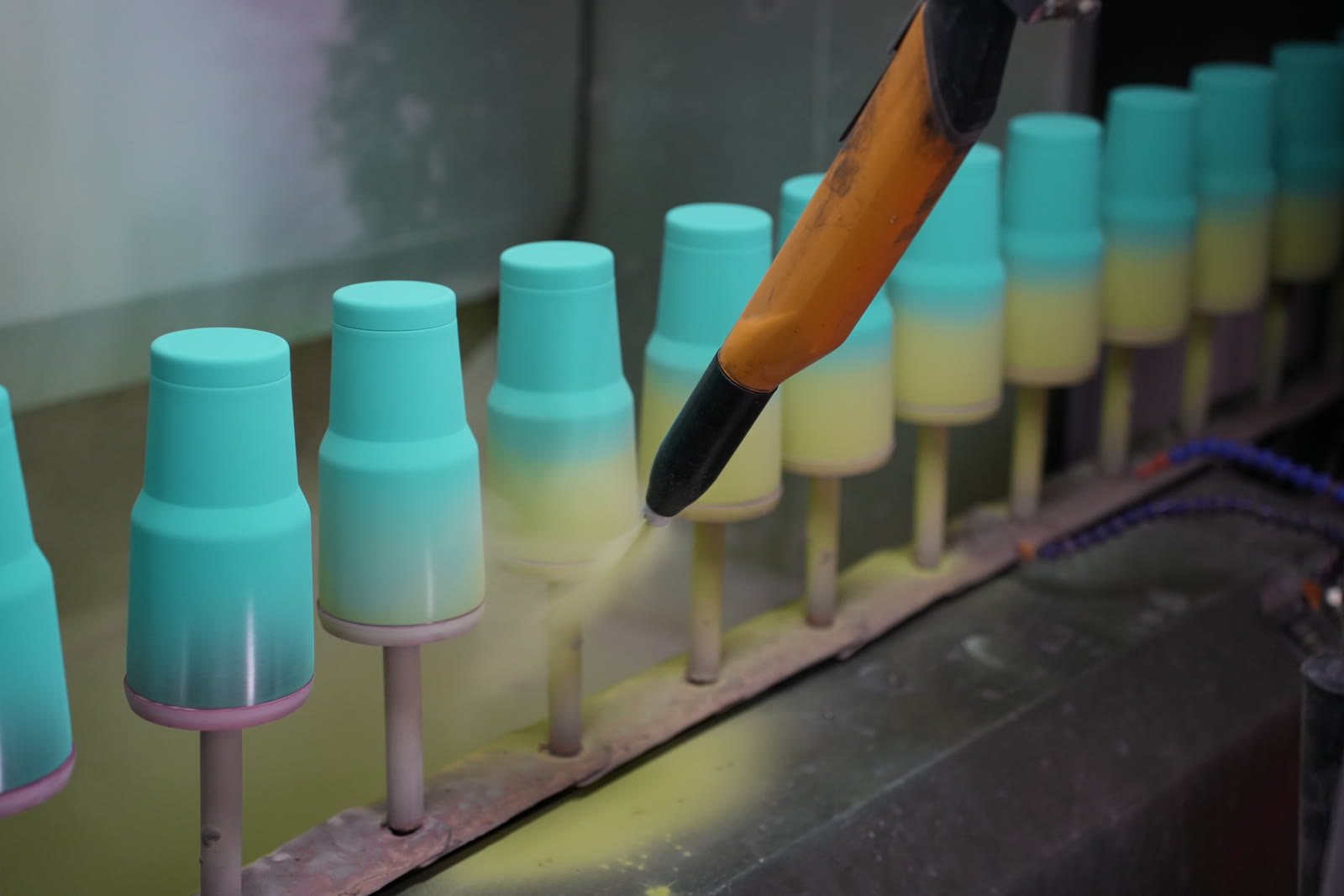
- US decoration does not make it American: sublimating, engraving or powder coating a China-made tumbler is not a substantial transformation. "Made in USA" on it can cost up to $53,088 per violation under the FTC rule.
- Covering the mark is a crime: under 19 U.S.C. 1304(l), concealing a required origin mark carries fines up to $100,000 (first conviction) and $250,000 (repeat).
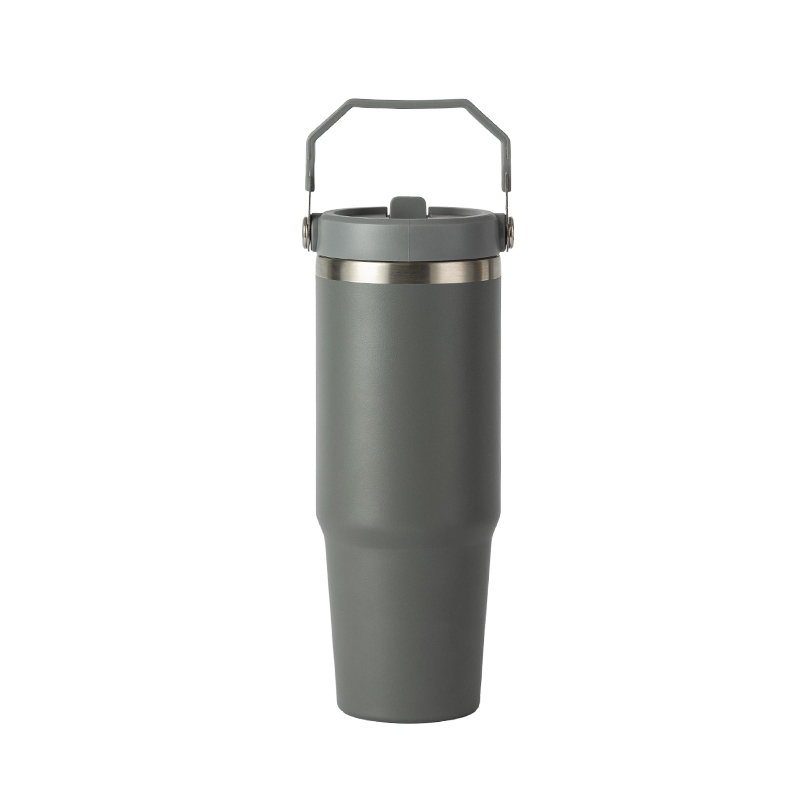
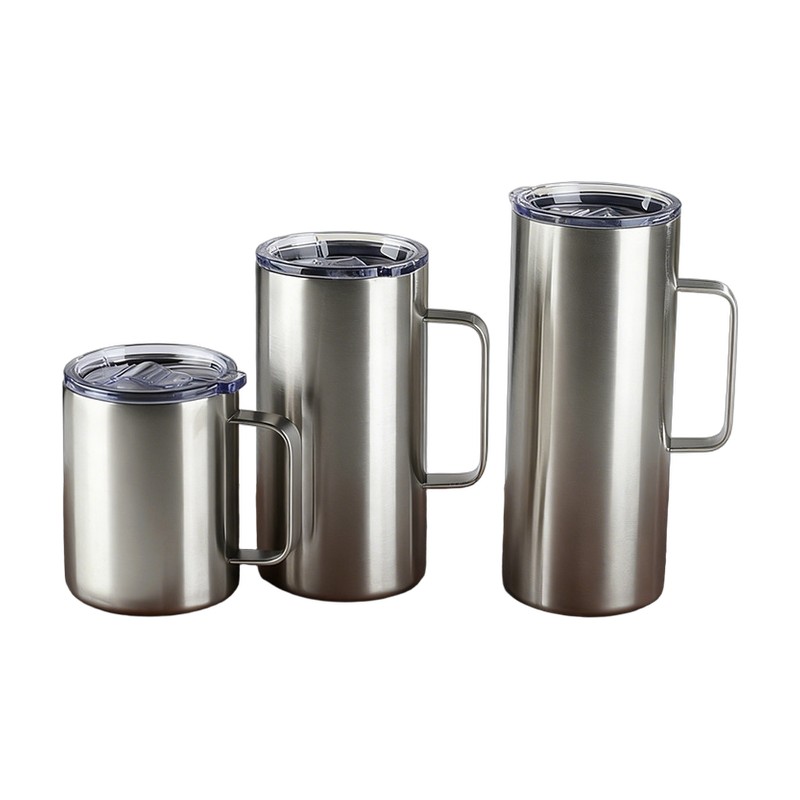
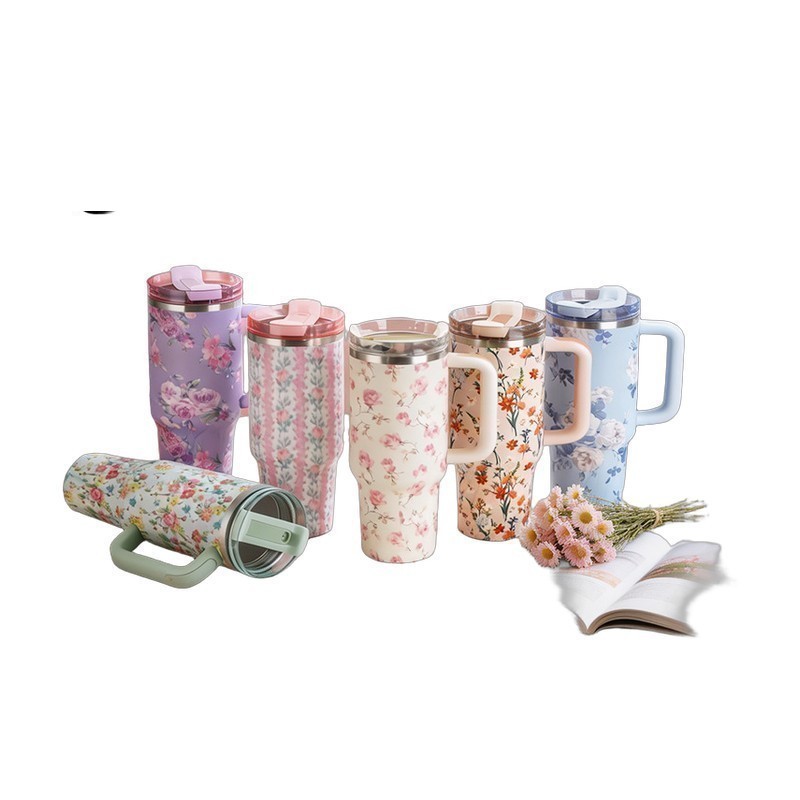
We make vacuum tumblers for private-label brands, Amazon sellers and US customizers who decorate blanks. The origin question usually arrives late, after the logo, the colors and the box are approved. Sometimes it comes as "can we leave it off, our brand is American?", sometimes as a CBP notice. What ranks for this question today is mostly short lawyer Q&A and forum threads. This guide is the factory-floor version: what the regulation says, where the mark physically goes on a tumbler, the branding traps, and the PO clause that settles it before production.
What US Law Actually Requires
The core rule is short. Section 304 of the Tariff Act (19 U.S.C. 1304) says every article of foreign origin must be marked "as legibly, indelibly, and permanently as the nature of the article will permit" with the English name of its country of origin, so the "ultimate purchaser" in the US knows where it was made. For a tumbler sold at retail, the ultimate purchaser is the person who buys it in the store or on Amazon, not your warehouse.
| Requirement | Source | What it means for a tumbler |
|---|---|---|
| Mark the article with the English country name | 19 U.S.C. 1304(a); 19 CFR 134.11 | "China" in English. "PRC" alone invites questions, so use "Made in China". |
| Conspicuous: easy to find, readable without strain | 19 CFR 134.41(b) | The base works. Tiny text hidden under a silicone boot or base cap does not. |
| Permanent: stays on until the end buyer unless deliberately removed | 19 CFR 134.41(b) | Paper stickers on a smooth steel base are the weak point. For vacuum tumblers the method is restricted further (next row). |
| Vacuum containers must be marked by a listed method | 19 CFR 134.43(a) | Die stamping, cast-in-the-mold lettering, etching, engraving or a metal plate welded, screwed or riveted on. Pad print, ink and stickers are not on the list. |
| Retail box must show origin if it hides the mark | 19 CFR 134.22-134.26 | If the tumbler sits in a closed gift box, print "Made in China" on the box too. |
| US place names / "USA" on product trigger proximity rules | 19 CFR 134.46, 134.47 | "Made in China" goes close to the US name, in at least comparable size (134.46). 134.47 also allows another conspicuous spot, but close is safest. |
| Unmarked goods pay extra duty | 19 U.S.C. 1304(i) | 10% of the value on top of normal duty, not remittable, unless fixed under CBP supervision before liquidation. |
| Concealing a required mark is a crime | 19 U.S.C. 1304(l) | Fines up to $100,000 and up to 1 year in prison (first conviction); up to $250,000 for repeat convictions. |
CBP has applied this to drinkware specifically. In ruling HQ 734937 (March 1993), on Scottish crystal whisky tumblers, CBP held that the maker's "EDINBURGH CRYSTAL SCOTLAND" mark did not meet the requirement: Edinburgh is a trade name, not a country. It required "Made in" or "Product of" with the country on each tumbler, by label or etching, and conspicuously on the box. Swap Edinburgh for your brand and the logic is the same.
Correction (14 October 2026): an earlier version of this guide said tumblers were not on the special list in 19 CFR 134.43. They are. Section 134.43(a) names "vacuum containers, and parts of the above articles" alongside knives, scissors and surgical instruments, and requires those articles to be marked by die stamping, cast-in-the-mold lettering, etching (acid or electrolytic), engraving, or a metal plate attached by welding, screws or rivets. A double-wall vacuum tumbler is a vacuum container, so ink and stickers are out. A fiber-laser mark engraved into the steel is the practical way to comply. We have not found a CBP ruling on shallow surface laser marking (annealing) of drinkware, so specify an engraved mark rather than a surface colour change. Single-wall cups and plastic tumblers are not vacuum containers and only need a mark that is genuinely permanent.
Where the Mark Goes on a Tumbler: Methods Compared
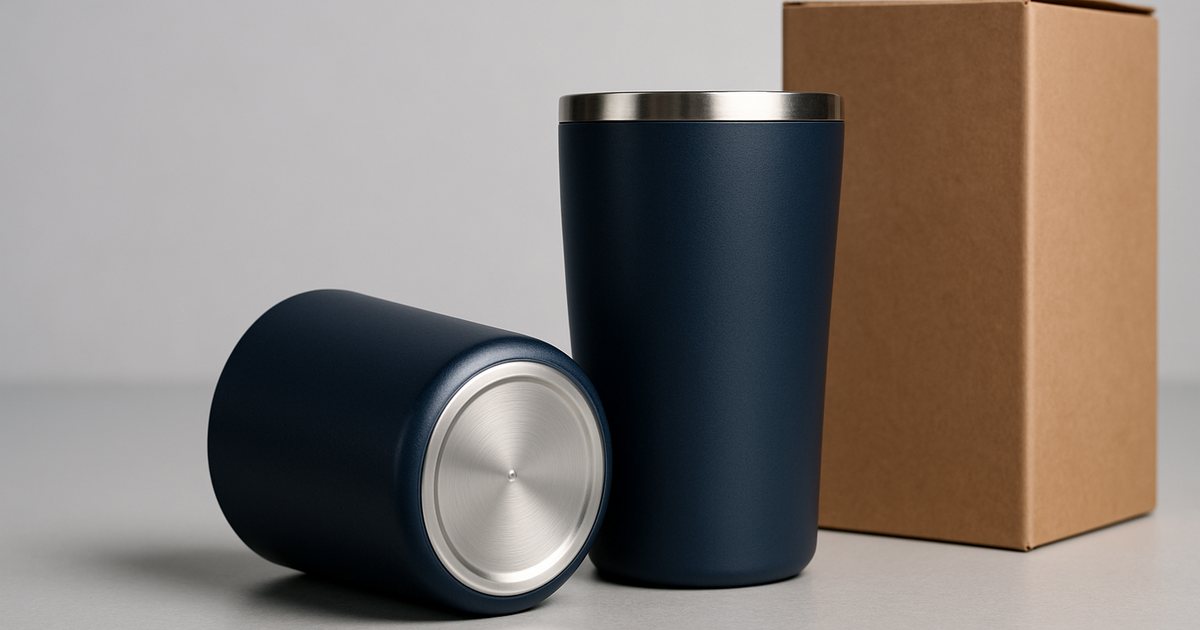
On a double-wall vacuum tumbler, the base is the natural place. The vacuum sealing point sits in the middle of the outer base, usually under a stainless or coated base cap (our vacuum sealing pellet guide explains that construction). The origin mark goes on the base cap or the flat ring around it, next to capacity and material marks such as "30 OZ · 18/8 STAINLESS".
| Method | Permanence | Best for | Watch out for |
|---|---|---|---|
| Fiber laser on the steel base | Excellent, survives dishwashers and abrasion | Bare stainless and powder-coated bodies (laser cuts through the coat to the steel) | Our default. Specify an engraved mark (material removed, counts as engraving under 134.43(a)) and text at least 2 mm high. |
| Pad print on the base cap | Ink is not a 134.43(a) method | Single-wall or plastic cups only | Fine for logos and care text. Not acceptable as the origin mark on a vacuum tumbler. |
| Embossed in the base stamping die | Excellent | Very large, single-market programs with a dedicated mold | Locks origin into tooling. Useless if you ever move part of production. |
| Adhesive sticker on the base | Poor, peels in use and is meant to be removed | Temporary barcodes only | The classic CBP problem for drinkware. Do not rely on it as the origin mark. |
| Carton or retail box only | Not on the article | Only sealed gift sets, and only if CBP accepts the container exception in 19 CFR 134.32(d) | Discretionary, and it fails as soon as tumblers are displayed or resold out of the box. Mark the base anyway. |
Cost is rarely the issue. If your base is already laser-marked with capacity and material, adding one line of text uses the same setup. The cost shows up when nobody specifies it: a factory that ships "logo only" leaves you with a landed cost that now includes a 10% marking duty and port storage.
Planning a private-label run? Send us your logo file and target market. We will return a base-marking proof (logo, capacity, material, origin) with the quote, so the marking is approved together with the artwork. Request a base-marking proof →
Private Label Traps: When Your Brand Name Causes the Problem
The requirement is the same for every importer. Private-label brands get caught by how their own branding interacts with it. These are the cases we see most on artwork approvals:
| Base or box text | Problem | Compliant version |
|---|---|---|
| "AUSTIN HYDRATION CO." only | No origin. A US city also triggers 134.46. | "AUSTIN HYDRATION CO. · MADE IN CHINA", origin in comparable letter height, same line or directly below |
| "Designed in California" large, "China" 1 mm high at the rim | Origin not in close proximity or comparable size | "Designed in California · Made in China" as one block, same type size |
| "Made in PRC" | Abbreviation many US buyers won't recognize, and it draws customs questions | "Made in China" |
| USA flag icon on the base, no origin | Implies US origin. Triggers the 134.47 proximity rule and FTC risk | Drop the flag from the base, or add "Made in China" right beside it |
| "BRAND · 30 OZ · 18/8 STAINLESS · MADE IN CHINA" | None | This is the base layout we propose by default |
Two more things to align. Your retail packaging must show origin if the box hides the tumbler's mark. Our tumbler packaging guide covers where that line fits on each box style. And your Amazon listing's country of origin field should match the product. Our Amazon FBA private label guide walks through the rest of the listing compliance.
US Customizers: Sublimation, Engraving and the "Made in USA" Question
A large share of our blank orders go to US shops that sublimate, laser-engrave or recoat tumblers. The question we get most often from them is: "We do the design here. Can we call it American-made?"
The answer is no, for two separate reasons.
- Customs origin does not change. CBP treats further processing as changing origin only if it produces a "substantial transformation": a new article with a new name, character or use. A sublimated tumbler is still a tumbler. CBP has long held that decoration does not qualify, for example painted ceramic bells (HQ 732964, 1990) and hand-cut crystal stemware, where the cut glass kept its name, character and use. Your decorated tumbler is still "Made in China".
- The FTC standard is stricter still. An unqualified "Made in USA" claim must mean "all or virtually all" of the product is made in the US. Since the Made in USA Labeling Rule (16 CFR Part 323) took effect in 2021, the FTC can seek civil penalties per violation, currently up to $53,088. In March 2026 an executive order directed the FTC to prioritize these cases, and it announced three settlements in April 2026.
What you can say is a qualified, truthful claim. "Customized in the USA. Tumbler made in China." or "Designed and printed in Texas with an imported stainless steel tumbler." Both are honest, and both still tell local buyers the work is done near them.
Two practical rules for blank buyers:
- Never coat or print over the base mark. 19 U.S.C. 1304(l) applies to anyone who covers or obscures a required mark with intent to conceal it. For sublimation blanks, ask the factory to mask the base so the laser mark sits on bare steel below the polymer coat.
- Engrave the side, not the base. If you add your own laser engraving on powder-coated tumblers, keep it off the factory's base marking.
What Happens When the Marking Is Wrong
Most marking problems surface at the port, when the container is already sitting there and costing money. Here is what each outcome looks like:
| Situation | Likely outcome | Cost driver |
|---|---|---|
| No origin mark on tumblers | Notice of marking; goods held until marked under CBP supervision, exported or destroyed | 10% marking duty if not fixed before liquidation, plus labor and $150-$300/day port storage |
| Origin only on removable stickers | May be judged not permanent; same path as unmarked | Same as above; remarking 5,000 tumblers by hand takes days |
| US city or "USA" on base, origin tiny or far away | Marking found deceptive under 134.46/134.47; correction required | Re-marking plus possible re-packaging |
| Repacked into gift sets in the US without origin on new box | Importer certification under 134.26 breached | Liquidated damages claim and marking duty |
| China-made body labeled "Made in Vietnam" after minor work there | Treated as transshipment to evade duties | Since 7 Aug 2025, a 40% additional duty for goods CBP finds transshipped, with no mitigation of penalties |
The last row matters more now that tariff rates differ so much by country. Origin follows substantial transformation, not where the box was taped. A tumbler body that is deep-drawn, welded and vacuum-sealed in China stays Chinese, even if it is powder coated elsewhere. If a supplier offers you "Vietnam origin" at a China price, ask where the body is drawn and welded.
Other Markets: EU and UK in One Paragraph
The EU has no general rule forcing "Made in" on drinkware. What the EU General Product Safety Regulation (GPSR, applicable since 13 December 2024) does require is traceability. That means a type, batch or serial number, plus the manufacturer's name, postal address and electronic contact. The EU importer's details are required too, on the product or, where that is not possible, on the packaging. Food-contact symbols and declarations under Regulation 1935/2004 apply as well (see our drinkware compliance testing guide). In practice, we use one base layout for every market. It carries brand, capacity, material, "Made in China" and a batch code, so the same body can ship to the US, the EU or the UK without new tooling.
The Pre-Production Checklist and PO Clause
Marking problems are cheap to prevent and expensive to fix. This is the sequence we run with every private-label order:
- Artwork stage: the base marking proof is approved together with the logo. Text, letter height (2 mm minimum), position and method are written on it.
- Sample stage: the marking is checked on the golden sample, as part of the sign-off in our sample approval guide. The method is recorded as engraved, not printed.
- Packaging stage: the gift box or retail card carries "Made in China" if it hides the base.
- Pre-shipment: the inspector checks marking presence and legibility on the AQL sample, the same inspection described in our tumbler quality control guide.
And the clause to paste into your purchase order:
Our Recommendation by Buyer Type
| Buyer | Base marking | Extra step |
|---|---|---|
| Private-label brand, powder-coated tumblers for US retail or Amazon | Laser: brand · capacity · material · Made in China | Origin on retail box; Amazon country field = China |
| US customizer buying blanks | Laser on masked bare-steel base | Never coat over it; use qualified "Customized in USA" wording |
| Kids' cups | Laser engraving on the steel base, incl. CPSIA tracking info | Origin and tracking label in one marking pass |
| Corporate gifts and car tumblers in gift boxes | Laser on base | "Made in China" on the gift box as well |
If you are still choosing a supplier, ask early how they mark the base and whether they can show a proof. A factory that cannot answer clearly will likely leave other compliance gaps too. Our guide to China drinkware certifications and factory audits lists the other questions to ask.
Related Guides
- Landed cost of importing tumblers from China: HS codes, duty and freight
- Drinkware compliance testing: FDA, LFGB, Prop 65 and PFAS
- Blank tumblers wholesale: bulk ordering guide for customizers
- How to launch a private label tumbler brand on Amazon FBA
- Do tumblers have lead? The vacuum sealing pellet explained
This guide explains how we apply US marking rules on our production line. It is not legal advice; confirm specific cases with your customs broker or trade attorney. Sources: 19 U.S.C. 1304; 19 CFR 134.11, 134.22-134.26, 134.41, 134.43, 134.46, 134.47; CBP rulings HQ 734937 and HQ 732964; FTC 16 CFR Part 323; EU Regulation 2023/988 (GPSR).
Want the base marking right the first time?
Send us your logo, model and target market (US retail, Amazon, EU). We will reply with a quote and a base-marking proof showing brand, capacity, material and origin, usually within one business day.